
Published
October weather in South Florida can change how much water a swimming pool loses to evaporation, which makes it harder to tell normal loss from a leak.
Many pool owners notice the water level behaving differently as the season turns. Knowing what drives evaporation helps you read those changes calmly before deciding whether something else is going on.
What Drives Pool Evaporation
Evaporation is the natural process of water turning into vapor and leaving the pool surface. It happens in every pool, and the rate depends on a few conditions working together:
- Water and air temperature: When the pool water is warmer than the air above it, water leaves the surface more readily.
- Humidity: Dry air takes up moisture more easily than damp air, so lower humidity means more evaporation.
- Wind: A steady breeze carries moist air away from the surface and replaces it with drier air.
- Sun: Direct sunlight warms the surface of the water and adds energy for evaporation.
- Splashing and water features: Fountains, waterfalls and swimmers expose more water to the air.
How October Weather Changes the Picture
In South Florida, October often marks the change from the wet summer months to the drier part of the season. Several shifts can come with it:
- Drier air: As humidity drops, the air can take up more of the moisture that leaves your pool.
- Cooler nights: Pool water holds heat longer than the air does. On a cool night or early morning the water can be noticeably warmer than the air, which encourages evaporation. You may even see light steam rising from the surface.
- Breezy days: Passing cold fronts can bring stretches of wind, which carry moisture away from the water.
- Less rain: Summer storms often refill a pool without anyone noticing. When the rain eases, a drop that was hidden before can become easy to see.
Sunny October days still warm the water, so the mix of warm water, drier air and breezes can keep evaporation going even though the weather feels milder.
Heaters and Covers
Running a pool heater as the nights cool raises the water temperature, which can increase evaporation. A pool cover limits the contact between water and air, so covering the pool when it is not in use can reduce how much water is lost to evaporation.
Evaporation or a Leak?
Because October weather can raise evaporation on its own, a lower water level in the fall is not by itself a sign of a leak. Water loss that keeps growing, or that does not ease when the weather turns calm and humid, is worth a closer look. Signs that point toward a leak rather than evaporation include:
- wet spots or soft ground around the pool or the equipment
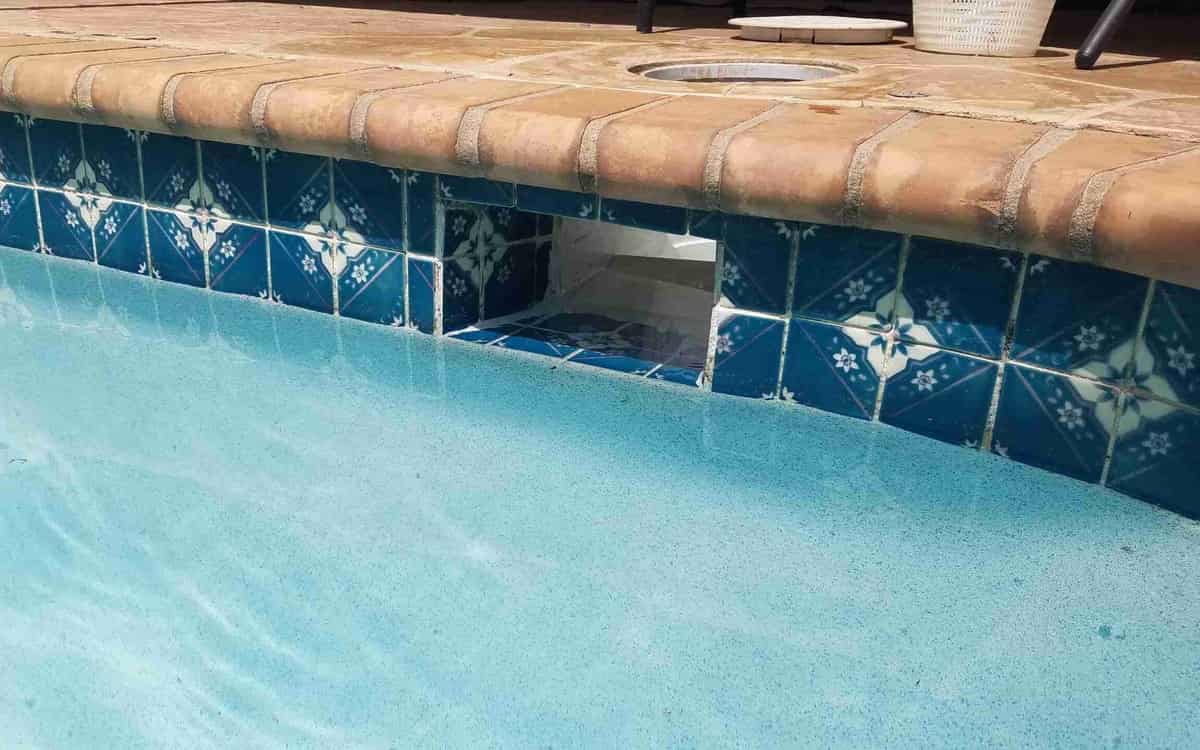
- cracks in the tile, plaster or deck near the pool
- air bubbles in the pump basket, or a pump that keeps losing its prime
- a water bill that rises for no clear reason
The posts below explain how to compare your pool’s water loss with normal evaporation.

When to Call a Pool Leak Detection Service
If the water keeps dropping after the weather settles, or you see any of the signs above, think about calling a pool leak detection service. Florida Leak Locators works on pool, spa and fountain leaks for homes and businesses in Broward, Palm Beach and Miami-Dade counties (service area). Acting early limits damage to the deck and the ground around the pool.