

Published
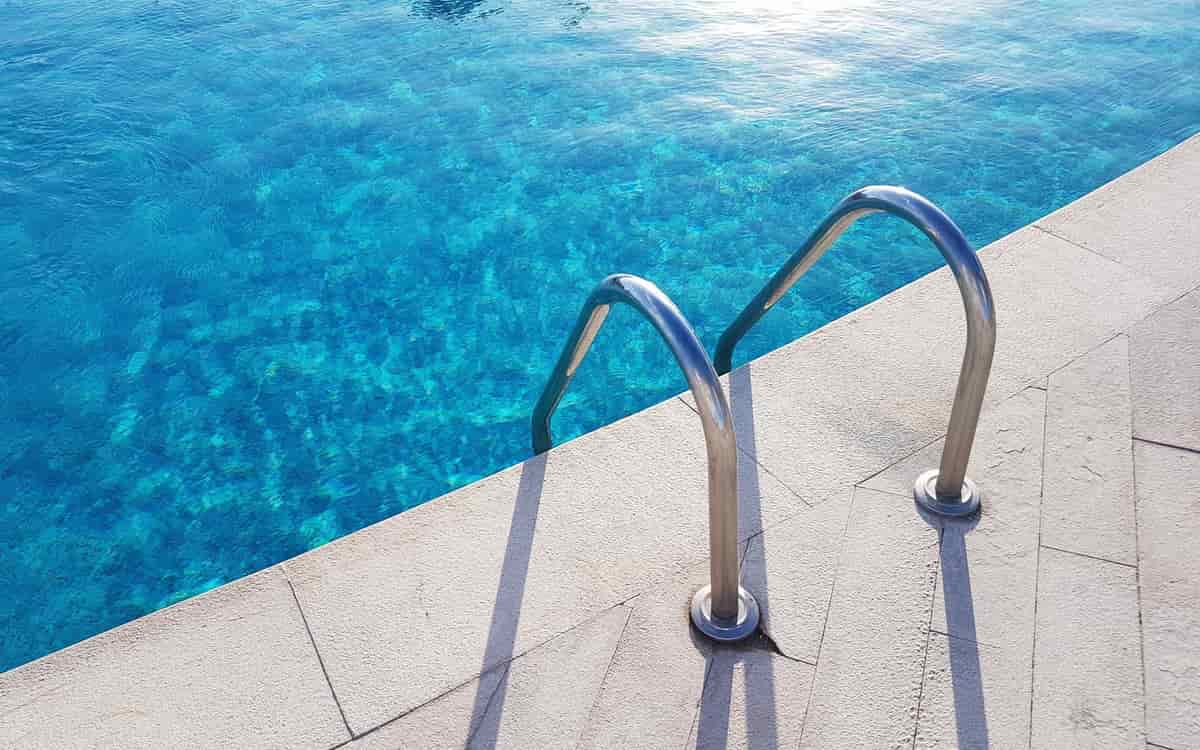
Losing water in a swimming pool is common, especially on hot summer days. However, it’s important to know whether the loss of water is due to natural occurrences like evaporation or a leak. Knowing the difference can help you properly maintain your pool and avoid costly expenses.
Let’s explore how you can tell the difference and when it might be time to call in a professional.
Water Loss Due to Evaporation
Evaporation is a natural process where water turns into vapor and escapes into the atmosphere. It happens in all pools and is influenced by several factors:
- Temperature: Hot, sunny days speed up evaporation. The warmer the air and water, the faster the water turns to vapor.
- Wind: Breezy conditions can sweep moisture off the surface of your pool, increasing water loss.
- Humidity: Lower humidity levels mean more evaporation. Dry air pulls moisture from the pool faster than humid air.
- Pool Activity: The more people splash around, the more water will evaporate and splash out of the pool.
- Water Features: Fountains, waterfalls, and other features can increase evaporation rates due to the constant movement of water.
Your pool can evaporate up to 1/4 inch per day. While this may appear to be quite high, there should be no cause for concern unless the amount of water lost suddenly increases.
Water Loss Due to a Leak
While evaporation is normal, losing water due to a leak is not. A pool leak can lead to significant water loss, costly repairs, and damage to your pool and surrounding areas if not addressed promptly. Here are some signs that your water loss might be due to a leak rather than evaporation:
- Wet Spots: Unexplained damp or soggy areas around your pool or in your yard could indicate water leaking from your pool or its plumbing.
- Air in the System: If you notice bubbles in your pool’s return lines or air in the pump, it could mean there’s a leak in the suction side of your system.
- Decreased Chemical Levels: If you’re constantly adding chemicals to maintain your pool’s balance, a leak might be the culprit, as it allows treated water to escape.
- Unusually High Water Bills: A sudden increase in your water bill can be a strong indicator that your pool is losing more water than it should be.
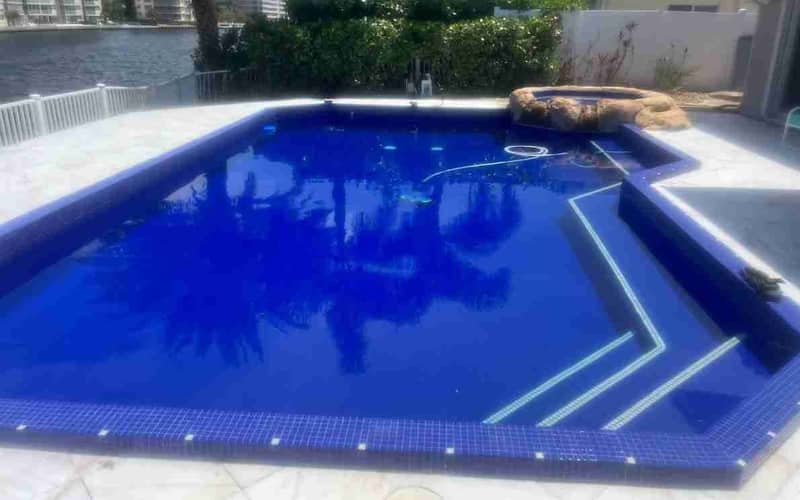
How to Determine the Cause: The Bucket Test
If you’re unsure whether water loss is due to evaporation or a leak, the bucket test is a simple and effective way to find out:
- Fill a bucket with pool water: Place it on a pool step, ensuring the water level inside the bucket is approximately 1 inch from spilling over.
- Mark the levels: Mark the water level inside the bucket and on the outside of the bucket mark where ever the pool water level is.
- Wait for 24 to 48 hours: Make sure the pool pump is off, and compare the water levels after the waiting period.
- Analyze the results: If the pool water level has dropped more than the water inside the bucket, it’s likely you have a leak.
Don’t Let a Leak Drain Your Wallet
Leaks can be challenging to locate and repair, and attempting a DIY fix could lead to more damage if not done correctly.
Water loss due to evaporation is normal, but a leak is something that needs immediate attention from a professional. By understanding the difference and knowing when to call in a professional like Florida Leak Locators, you can keep your pool in top condition and avoid costly repairs down the line. If you’re unsure whether your pool is leaking, don’t hesitate, get in touch with us right away.