
Published
That beautiful backyard pool, the highlight of weekend gatherings and your escape from the Florida heat, might be quietly losing water when you’re not looking. And no, it’s not always just evaporation. Pool leaks can be sneaky, and even the most attentive homeowner might not notice the signs until the damage adds up.
If something feels off with your pool, here’s what to look for before a small problem turns into a major repair.
A Bucket Test That Actually Works
Forget the complicated tutorials online.
Start by placing a 5-gallon bucket on the second step of your pool. Fill it with pool water until the water inside matches the level outside. Mark both water levels with a Sharpie or waterproof tape. Then, leave the pool alone for 24 hours, no swimming, and don’t top off the water.
The next day, check both water levels. They should have dropped the same amount due to evaporation. But if the water outside the bucket is noticeably lower, that’s a strong sign you’ve got a leak.
Your Water Bill Might Be the First Red Flag
It’s easy to overlook, but your quarterly water bill is full of clues. Pull up your last few statements and take a look at your usage. Most Boca households follow a predictable pattern, with only slight changes from season to season.
Your Yard Might Be Trying to Warn You
The area around your pool can reveal a lot about what’s happening below the surface. Walk around your backyard and take note of anything unusual.
Are your pavers starting to sink or shift? Is there an area of your lawn that’s always damp or unusually green, even without irrigation? These signs often appear well before you’ll notice a major water drop in the pool itself.
Because Broward, Palm Beach and Miami-Dade counties sit on a limestone base, underground leaks can cause bigger problems fast. Chlorinated water seeping into the ground slowly erodes the limestone, creating hollow pockets that can impact your decking, landscaping, or even the foundation of your home.
An Equipment Check You Can Do Yourself
Just taking a closer look after your swim can reveal a lot.
Once your pool equipment is turned off, look closely at the returns, skimmer, lights, and steps. If you see bubbles streaming from any of these areas, that means air is getting pulled in, which usually means water is escaping when the system is on.
Head over to your equipment pad and check for signs of moisture, especially under the pump and filter. If you notice white, crusty buildup around pipes or fittings, that’s a telltale sign that water has been leaking and evaporating from those spots.
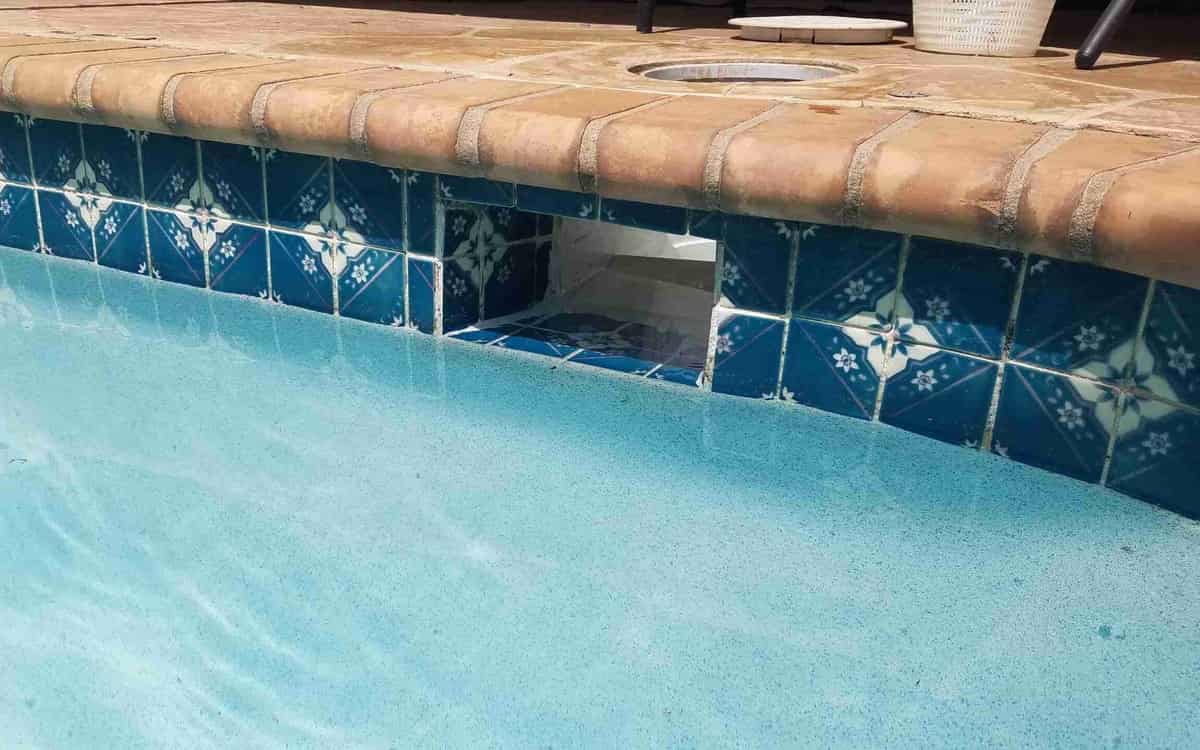
Inside the pool, keep an eye out for cracks around fittings, steps, or where the pool changes depth. Not all cracks leak, but discolored ones often do. Over time, the sun and heat degrade the sealant, creating small but steady leaks.
When It’s Time to Call Florida Leak Locators
DIY tests can only take you so far. If you’ve tried the methods above and still feel like something’s not right, it’s time to bring in a professional.
Pool ownership should be something you enjoy, not stress about.