

Published
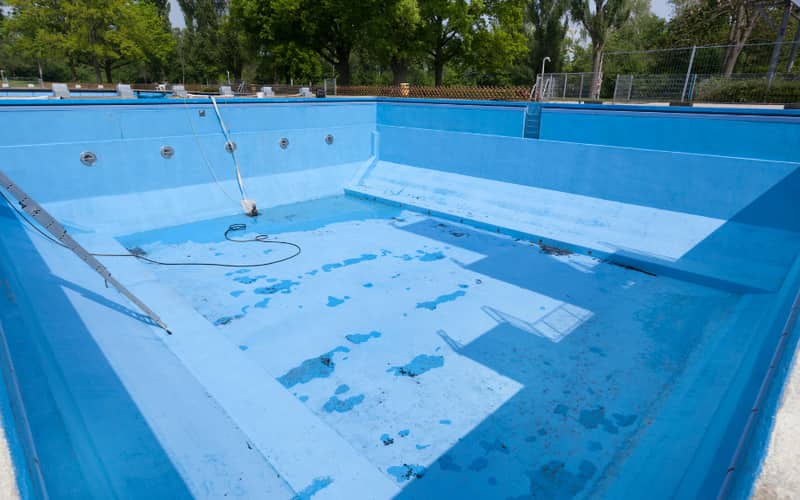
A bucket test compares how much water your pool loses with how much a bucket loses, to show whether evaporation or a leak explains the drop. It needs only a bucket, a marker and a day or so of patience.
The idea is simple. A bucket of pool water sitting in the pool is exposed to the same sun, wind and air as the pool itself. If the pool falls faster than the bucket, something besides evaporation is taking water out.
What you need
- A clean plastic bucket
- A waterproof marker or a strip of waterproof tape
- A notepad or phone to record the start time
How to do the bucket test
- Fill the pool to its normal level and turn off any automatic water filler. Do not add water during the test.
- Fill the bucket with pool water until it is about an inch from the top.
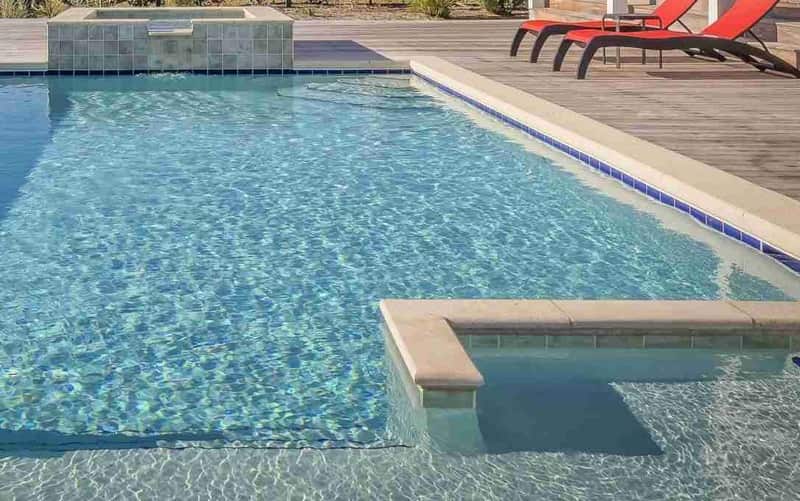
- Set the bucket on a pool step so that it sits in the water without floating. Add or remove a little water in the bucket until its level is close to the pool level.
- Mark the water level inside the bucket. On the outside of the bucket, mark where the pool water reaches.
- Write down the time, then leave the pool and the bucket alone. Avoid swimming and splashing while the test runs.
- After 24 hours, look at both marks. Measure how far the water inside the bucket dropped, and how far the pool dropped below the outside mark.
- For a clearer difference, let the test run up to 48 hours.
How to read the result
- The pool and the bucket dropped about the same amount: evaporation is the most likely reason for the loss.
- The pool dropped clearly more than the bucket: water is probably leaving the pool by another route, which points to a leak.
- The results are close but you are not sure: repeat the test on a calm, dry day and compare.
Weather changes the numbers. Heat, wind and dry air speed up evaporation. Rain adds water to both the pool and the bucket and can hide a leak, so do the test when no rain is expected.
When to call a pool leak detection company
A bucket test only shows that water is being lost. It cannot show where. Think about calling a pool leak detection service when:
- the pool drops clearly more than the bucket, in two tests
- you keep having to add water, or the water bill goes up for no clear reason
- you see wet spots, soft ground or cracks near the pool or equipment
- you find air bubbles in the pump basket or the pump keeps losing its prime
Acting early limits damage to the deck and the ground around the pool. Homeowners looking for pool leak detection in Pompano Beach can start there.